

Scared to Invest? Turn the Fear Into a Plan
Your finger hovers over the "buy" button, your stomach flips, and you close the app again — so how do you finally get past the fear of investing? The fix isn't courage, it's a plan: name each fear, then take its job away.
Fear of investing is completely normal for beginners, and it fades with education and exposure.
Below are the six fears new investors report most, each with its antidote.
1. Shrink the Menu Before You Choose
The first fear is choice overload: there are simply too many investments to understand them all.
Good news — you don't have to.
Start with your goal, and whole shelves of the menu disqualify themselves instantly.
Saving for a house in three years? That rules out one set of choices.
Retiring in thirty? That rules out a completely different set.
Either way, the goal does the eliminating, so you only ever study the short list that survives.
Get familiar with the buckets in our guide to the main types of investments — knowing the names alone shrinks the scary factor.
How to Do It:
- Write your goal and the year you'll need the money at the top of a page.
- Cross off everything that doesn't fit that timeline before comparing what's left.

- Practice investing, real estate, and passive-income decisions with play money
- Built by the Rich Dad team to drill cash-flow thinking
- For 2-6 players ages 14 and up, refreshed with modern money concepts
2. Let Your Timeline Pick Your Investments
Not sure which stocks or funds to pick? Your time horizon — how long the money stays invested — does most of the picking for you.
Money you'll need within a year or so has no business in risky bets; think of a purchase you'd otherwise pay off in six months — there's just no room to absorb a bad stretch.
So where does short-timeline money go? Calm harbors like savings accounts, money market accounts, and short CDs.
A three-to-five-year goal, like a down payment, opens more doors: steady large-cap companies, many of which pay dividends — regular cash payouts to shareholders.
Dividends hand you income without needing the share price to do anything heroic.
Faster-growing corners like energy and tech can juice returns, but they run in cycles nobody can predict.
So check in on the mix every year or two, and shift toward calmer holdings as the goal gets close.
How to Do It:
- Match each dollar to a date: the sooner you need it, the calmer its home should be.
- Curious about payout stocks? Here's how dividends work.

- A data-driven look at how everyday millionaires actually live and spend
- Shows why a high income and real wealth are very different things
- Profiles the frugal habits that quietly compound into fortunes
3. Stop Watching the Whole Market
Market volatility — the collective bouncing of all those prices — scares off more beginners than anything else.
Here's the secret: most of that noise isn't about you.
Only what's actually in your portfolio affects your money, so track your own holdings, not every scary index headline.
A "down day for the market" can be a flat day for your actual funds — the index isn't your account.
Prices twitch every few minutes in any healthy market; that's the machine working, not breaking.
Whole sectors, like healthcare or transportation, often ride the same waves together, so compare your holding against its neighbors before worrying.
And if daily wiggles truly wreck your sleep, that's useful information — a hands-off fund or an advisor can keep you out of the daily decisions.
How to Do It:
- Check your portfolio on a schedule you choose — weekly or monthly beats every five minutes.
- Judge your holdings against similar investments, not against the day's loudest headline.
4. Reframe What a "Mistake" Really Is
Everybody fears the big blunder — but real, unfixable trading mistakes are rarer than you think.
Typos in the dollar amount or share count get caught on the confirmation screen before the trade goes through.
Picked an investment you regret? You can simply sell it — and if it hasn't dropped, that exit costs you nothing.
The one mistake that truly hurts is panic-selling everything into a falling market and locking in the loss.
A drop on paper isn't a loss until you sell — emotion, not error, is the enemy.
How to Do It:
- Read the confirmation screen before every trade; it's your built-in safety net.
- Decide in advance what you'd do in a 20% drop, and write it down while you're calm.
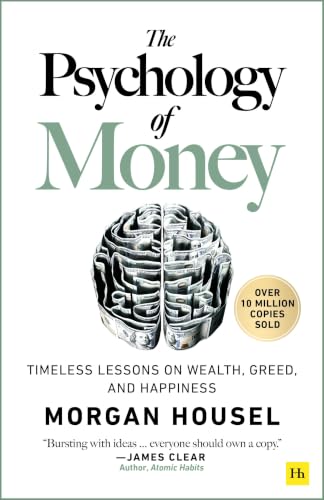
- 19 short stories on how emotions, ego, and luck drive money decisions
- Shows why staying wealthy is a different skill than getting wealthy
- The rare finance book about behavior, not formulas
5. Know What It Actually Takes to Lose Everything
Let's be honest instead of soothing: a single company's stock can go to zero — it's rare, but it happens.
A diversified basket is a different story: for a broad fund holding hundreds of companies to hit zero, basically all of them would have to fail at once.
That's why spreading your money — diversification — is the real seatbelt, not luck.
Remember, you own shares, not a fixed pile of dollars: the count of your shares never changes with the market's mood, only the price tag does.
Markets have historically recovered from even ugly crashes, though nobody can promise the schedule.
One more safety rule: leave complicated plays like call and put options alone until you truly understand them.
How to Do It:
- Favor broad funds over single stocks until you've got experience and research habits.
- Never put money you'll need soon — or your emergency fund — into the market at all.
6. Take the Mystery Out of Investment Taxes
Tax fear is mostly fear of the unknown, so here's the whole picture in three lines.
Not every move is a taxable event: gains you haven't sold — unrealized gains — usually aren't taxed yet.
Sell for a profit or collect dividends, and that can create a tax bill.
Your broker mails you the forms that spell out exactly what happened — you don't have to reconstruct anything.
Want the details on payout taxes? Our guide to how dividends get taxed keeps it simple, and a tax pro can settle anything weird.
How to Do It:
- Save the tax forms your broker sends each January and hand them to your preparer or software.
- When a rule confuses you, ask a professional one specific question instead of avoiding investing entirely.
Wrapping Up
Investing fear is like learning to swim: the water never becomes risk-free, but lessons, shallow ends, and a life vest turn terror into routine.
These are ideas to learn from, not personal instructions or individualized financial advice.
New Investor? Build Confidence One Decision at a Time

Save It or Invest It? Your Timeline Has the Answer