

New Investor? Build Confidence One Decision at a Time
You made your first investment — or you're about to — so why does every next decision still feel like a guess? Confidence isn't a personality trait; it's a routine, and here's the six-step version.
The steps loosely follow the scientific method: learn, test, plan, act, review.
You'll circle back to some of them as markets move and your style evolves — that's the point.
1. Decide What You Want to Learn First
As a new investor, you don't know what you don't know yet — and that's fixable.
Pick one thread that actually interests you: the difference between mutual funds and target-date funds, a sector you use every day, or wilder stuff like commodities.
There's no "right" starting topic, because education in investing never really ends.
Curiosity beats duty here — you'll stick with what interests you.
How to Do It:
- Write down three questions you'd love answered, then chase one per week.
- Start broad with our beginner guide to what investing is, then niche down.
2. Pick Sources You'd Trust With Money
Where you learn matters as much as what you learn.
Some investing sites are as polarized as politics, and a firm's own website may be an ad wearing a textbook costume.
Books, major newspapers, and regulator sites are slower but steadier — generally unbiased, even if they're not flashy.
Decide your information diet too: some investors love checking all day, while others feel overloaded past one look per day.
Technology can carry the load either way — set alerts for the few things you follow, and let recurring purchases and limit orders run on autopilot.
Those automatic tools quietly build confidence, because your plan keeps working even when you're not micromanaging it.
People count too, with one warning: never trade on a tip from someone you don't personally know and trust, because their goals aren't your goals.
Even good advice has to match your goals and your investment personality before it's good advice for you.
How to Find It:
- Investor.gov — free, bias-free investing lessons from the SEC.
- FINRA's investor section — the brokerage regulator's plain-English guides and alerts.

- A first-timer's map to brokerages, retirement accounts, and index funds
- Answers the awkward basics, like how much you actually need to start
- Speaks to student-loan-era budgets, not trust funds
3. Take a Risk-Style Quiz (or Three)
Nearly every big broker and investing app offers a quiz that maps your risk style and tests your vocabulary.
Take several and compare the results — the overlap is your true profile.
Some quizzes test knowledge and vocabulary; others test your instincts under pressure.
Both kinds are worth repeating every few months, because watching your own scores climb is bottled confidence.
That growing self-trust is the quiet engine here: each round of learning nudges you toward a strategy that's actually yours.
How to Do It:
- Search "risk tolerance questionnaire" inside your broker's app or site.
- Vanguard's investor questionnaire — a free, no-login quiz that scores your risk comfort and suggests a mix.
4. Write a Six-Question Plan
A plan turns guesswork into checkboxes, and yours needs just six answers:
- When will you start investing?
- How much money will you invest?
- Where is that money sitting right now?
- How many funds or stocks will you hold?
- Which platform will you use?
- What number will tell you it's working?
The "how much" question deserves the most care — make sure the money comes from true spare income, not from your emergency fund or this month's bills.
One practical note: if you'll invest small amounts on repeat, pick a platform with fractional shares, so odd dollars buy partial shares instead of sitting idle in a holding account.
Plenty of platforms charge $0 for basic trades — if you pay for extra services, make sure they earn their fee.
How to Do It:
- Answer all six questions in writing before moving a single dollar.
- Compare a robo-advisor against a discount broker to settle the platform question.
5. Make Your First Move and Record It
Action time — and documentation time.
Your platform keeps official statements, but a personal journal is where confidence compounds.
Log the date, what you bought, the price you paid, and the stock's recent highs and lows.
Future-you will love having the "why" written down next to the "what."
How to Do It:
- One page per investment: date, ticker, price, and one sentence on why you bought it.
- Set a recurring transfer so the second investment happens without a pep talk.
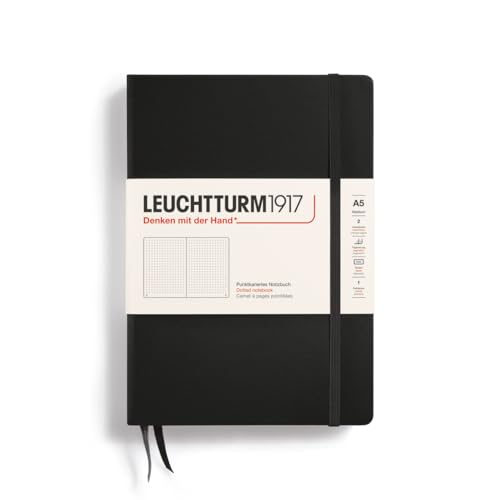
- 251 numbered pages plus a table of contents turn notes into a findable archive
- 80gsm acid-free paper resists bleed-through and opens flat
- Back pocket, two bookmarks, and labels keep research organized
6. Review, Adjust, Repeat
Statements arrive monthly, quarterly, and yearly — pick a rhythm and actually read them.
Check the institution's numbers against your journal, then grade yourself against the goal you wrote in step 4.
Maybe your gauge was a steady monthly contribution, a diversification target, or a specific average rate of return.
Hit the target? That's your confidence, earned with receipts.
Missed it? Don't panic — plenty of causes sit outside your control, so adjust only if your timeline or goals truly changed.
Then run the cycle again; each loop makes the next decision feel less like a guess.
How to Do It:
- Put a 30-minute "portfolio review" on your calendar each quarter.
- Change at most one thing per review, so you can tell what actually helped.
Wrapping Up
Investor confidence is a gym routine: nobody starts strong, but the reps — learn, plan, act, review — build muscle every single cycle.
These are ideas to learn from, not personal instructions or individualized financial advice.
Scared to Invest? Turn the Fear Into a Plan

Investing Mistakes, Part One: Read the Market First