
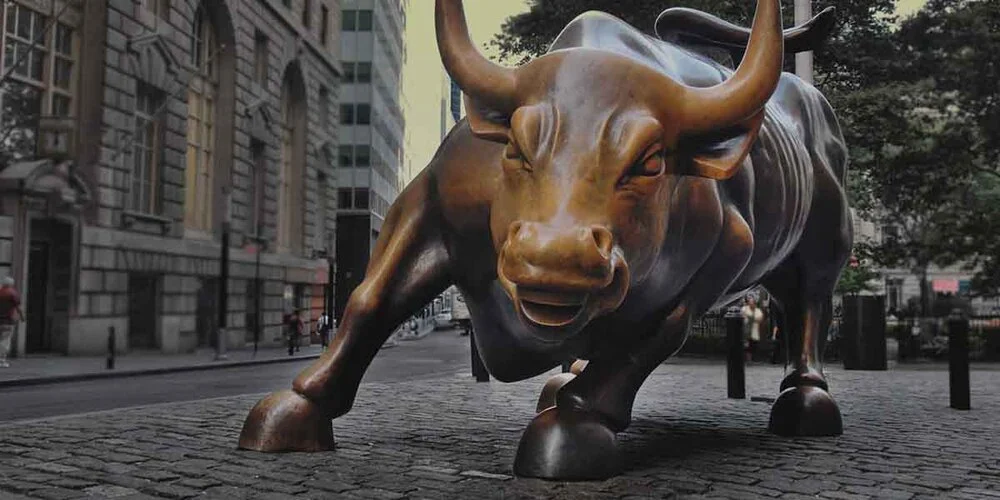
Sixteen Years of Stock Market Lessons, Earned the Hard Way
- 1. Hold On Through the Scary Parts
- 2. Spread Your Bets
- 3. Invest on a Schedule, Not a Mood
- 4. Judge the Business First, the Price Second
- 5. Handle Money-Losers With Oven Mitts
- 6. Study the Greats — and Listen In
- 7. Learn All Three Playbooks
- 8. Play a Different Game Than Wall Street
- 9. Hunt Fortress Balance Sheets and Beloved Products
- 10. Remember: No King Rules Forever
- 11. Mind the Human Side
- 12. Respect Taxes, Fear Leverage
- 13. Skip Market Timing — Keep Some Dry Powder
- 14. Shop the Recession Sales, Bank the Lessons
- 15. Compound Money, Knowledge, and Patience
- 16. Question Suspiciously Cheap Deals
- 17. Find the Open Door in Any Market
- Wrapping Up
What do sixteen years in the stock market actually teach you — the wins, the faceplants, all of it? Here's the honest list, in plain words you can use from day one.
Some of these lessons echo legends like Warren Buffett.
Others come the expensive way: by losing real money and writing down why.
Steal them all for free.
1. Hold On Through the Scary Parts
Long-term investing sounds easy until the world catches fire — wars, pandemics, and crashes never send a warning text.
In March 2020, plenty of smart people swore the economy would be frozen for years, and then the U.S. market roared back with stunning speed.
A century of market history repeats the same message: crises pass, and investors with five, ten, or twenty-year horizons usually come out fine.
How to Do It:
- Before buying any stock, ask: "Would I be happy holding this through a two-year storm?" If not, skip it.
2. Spread Your Bets
Betting everything on one company is how portfolios die.
Ask the Enron folks — a quarter-century ago, employees with their savings stuffed into company stock lost nearly everything when it collapsed.
A rule of thumb: hold about 10 to 20 stocks — wide enough that one disaster can't sink you, narrow enough that you can actually follow them all.
How to Do It:
- Count your positions today; if one stock is more than 20% of your portfolio, you've found your homework.
3. Invest on a Schedule, Not a Mood
Wealth isn't built by catching lightning — it's built by boring, repeated deposits.
Try investing at least twice a month, every month, so fresh money lands whether the market feels sunny or terrifying.
The habit quietly kills your urge to time the market, and it turns every paycheck into future shares. Your job funds your freedom!
How to Do It:
- Set an automatic transfer to your brokerage for the day after each payday — decide once, benefit forever.

- A 6-week program that automates bills, saving, and investing
- Word-for-word scripts for negotiating fees, rates, and salaries
- Spend big on what you love, cut mercilessly everywhere else
4. Judge the Business First, the Price Second
Start every stock study with one question: what does this company actually do, and how will it grow?
Only after you understand the business should you open the financials — that's the Buffett order of operations.
Investors who grasped Tesla's electric-car vision early had an edge over those who judged only its rocky early numbers.
Then check the price: overpaying for a hot stock forces the company to be flawless for years, while a reasonable price leaves room for good things to surprise you.
How to Do It:
- Explain the business in two sentences before you look at a single ratio.
- Then run our five-minute stock check to see if the price makes sense.
5. Handle Money-Losers With Oven Mitts
Companies that don't earn a profit look exciting — all story, no baggage.
They're also where beginners get burned, because many of them simply die.
If you buy a promising money-loser — say a biotech chasing a breakthrough — call it what it is: speculation. Keep the position small enough that losing it all wouldn't dent your future.
And if a gamble pays off tenfold? Enjoy it, but don't promote luck to skill and triple the next bet.
How to Do It:
- Cap all speculative positions, combined, at a slice of your portfolio you could lose without losing sleep.
6. Study the Greats — and Listen In
Want to recognize the next great company? Study the current ones.
How does Walmart stay cheap? Why does Microsoft's subscription money show up every single quarter like clockwork?
Then eavesdrop on the pros: every public company holds quarterly earnings calls where the CEO answers hard questions.
Listen at 1.5x or 2x speed and you'll absorb two companies in the time of one — over the years, that builds a nose for real potential versus passing fads.
How to Do It:
- Pick one company you admire and listen to its latest earnings call this week; most companies post them free on their investor relations page.
7. Learn All Three Playbooks
Markets have moods, and each mood favors a different style.
In giddy times — think the late-1990s tech boom — growth stocks soar; after crashes, value stocks and steady dividend payers shine; in murky in-between stretches, balance wins.
The 2022 downturn made the case: big tech names plunged, while investors holding value and dividend stocks had ballast — and cash ready to buy growth at clearance prices.
How to Do It:
- Learn to recognize growth, value, and dividend stocks, and hold a mix so you're never betting on one weather forecast.
8. Play a Different Game Than Wall Street
Fund managers, brokers, and analysts play for quarterly scorecards, fees, and client retention — not your twenty-year future.
They also move in herds, which is why so many funds lag a plain index: The Wall Street Journal has reported that over a recent decade, only about 15% of the funds in one big North America category beat the S&P 500 — meaning roughly 85% fell short.
The industry also loves telling you investing is too hard to do yourself. Funny how that sales pitch works!
Index funds are a great tool — but if you're willing to learn, picking your own stocks is allowed too.
How to Do It:
- Whatever you do, stop handing away returns to high fees: compare any fund's costs to an index fund before buying.

- Lays out the low-cost index-fund strategy behind the FIRE movement
- Explains why avoiding debt and buying the whole market beats stock picking
- Written as letters to the author's daughter — plain answers, no jargon
9. Hunt Fortress Balance Sheets and Beloved Products
The companies that survive decades share two traits: piles of cash with little debt, and products people genuinely love.
Cash-rich companies sleep through recessions and go shopping while rivals scramble.
Beloved products — the iPhone, a Netflix habit — keep the money flowing even when times get tight, because customers cut everything else first.
How to Do It:
- Check the debt and cash on the balance sheet with our guide to reading financial statements.
- Then ask the simpler question: do people love this product, or merely tolerate it?
10. Remember: No King Rules Forever
Compare the biggest companies of the 1980s to today's list — it's a complete changing of the guard.
Every dominant company eventually meets a hungry challenger, and comfort breeds complacency.
You can absolutely profit from today's winners; just stay alert to shifts in their industry and leadership instead of assuming forever.
How to Do It:
- For each big holding, name the one thing that could dethrone it — and check on that thing a couple of times a year.
11. Mind the Human Side
Nobody warns you about this: building wealth can get lonely.
Friends may not share the interest, and as your portfolio grows, the lifestyle gap can feel isolating.
Find a community of patient, research-minded investors — online or local — and steer clear of day-trading and get-rich-quick crowds.
One more truth: money doesn't change you, it amplifies you. Generous people give more; arrogant people get louder — so grow your character along with your capital.
How to Do It:
- Join one long-term-investing community and contribute one thoughtful post or question a month.

- A data-driven look at how everyday millionaires actually live and spend
- Shows why a high income and real wealth are very different things
- Profiles the frugal habits that quietly compound into fortunes
12. Respect Taxes, Fear Leverage
When you sell winners, timing matters: hold at least a year and the profit is taxed at the lower long-term rate, letting you keep more.
If your tax picture gets complicated, hire a skilled CPA — spending hundreds to save thousands is the easiest trade in finance.
Margin — borrowing against your stocks to buy more — is the opposite kind of deal: it doubles your gains until the day it forces you to sell everything at the bottom.
How to Do It:
- Check the purchase date before selling any winner; if it's close to a year, waiting can cut the tax.
- Treat margin as a professional's power tool — most of us shouldn't juggle chainsaws.
13. Skip Market Timing — Keep Some Dry Powder
Calling tops and bottoms consistently is impossible — even the Federal Reserve, drowning in data, can't forecast recessions reliably.
The wealthy sometimes buy hedges — insurance-like trades that profit in a crash — but for most people, a balanced portfolio plus a cash cushion does the job.
If the market feels frothy, it's fine to build cash slowly or lean toward calmer value stocks; when others panic, that cash becomes your shopping money.
How to Do It:
- Stay invested as your default, keep a modest cash reserve, and never park everything on the sidelines waiting for a crash.
14. Shop the Recession Sales, Bank the Lessons
A bear market is a department store sale: the $200 coat you loved is suddenly $100 — same coat, better price.
Great companies go on the same kind of sale in every downturn, and buyers with cash and courage set up their next decade.
Losses teach too: every investor takes them, from Buffett on down.
The tuition only pays off if you write down why you lost — wrong business, or wrong price — and apply it next time.
How to Do It:
- Keep a simple investing journal: one entry when you buy, one honest entry when you sell.
15. Compound Money, Knowledge, and Patience
Investing has no retirement age — at 90 you can still read annual reports and spot opportunities, and every year of experience makes you sharper.
Meanwhile, let the money compound in peace: reinvest your dividends into more shares, and don't raid the portfolio for luxuries.
Save withdrawals for the big rocks — a home down payment, retirement itself — because every dollar left inside is a seed, and our Rule of 72 guide shows how fast seeds double.
How to Do It:
- Turn on automatic dividend reinvestment at your broker today; it's usually one checkbox.
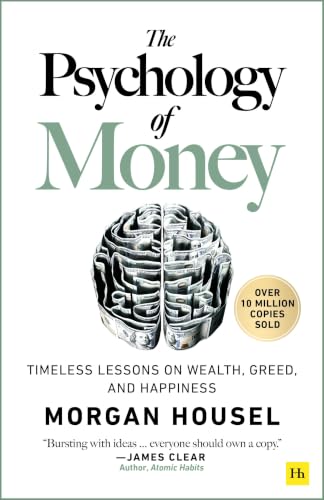
- 19 short stories on how emotions, ego, and luck drive money decisions
- Shows why staying wealthy is a different skill than getting wealthy
- The rare finance book about behavior, not formulas
16. Question Suspiciously Cheap Deals
Foreign markets often look cheap next to the U.S. — but cheap abroad can come bundled with political, economic, and rule-of-law risks you can't see from here.
Same at home: a stock priced at less than 10 times next year's expected earnings is either a gift or a warning.
Sometimes the market has already smelled the smoke you haven't seen yet.
How to Do It:
- When something looks too cheap, hunt for the reason before you buy — assume the discount exists until proven otherwise.
17. Find the Open Door in Any Market
Bull markets lift your holdings; bear markets sell you bargains and keep paying dividends; even flat "kangaroo" markets have individual winners hopping through.
Adaptability — not prediction — is the real skill, because the market's character never stops changing.
Stay curious, keep learning, and the game keeps rewarding you for decades.
How to Do It:
- Once a quarter, ask which door is open right now: buy more, hold steady, or harvest a bargain someone else panicked away.
Wrapping Up
Sixteen years compress into one sentence: patience, knowledge, and a fair price beat fear, ego, and hot tips — every decade, without fail.
Think of investing as tending an orchard, not scratching lottery tickets: plant good trees, weather the storms, and let the seasons do the compounding.
These are ideas to chew on, not personal instructions or individualized financial advice — your money, your call.
Investing Mistakes, Part One: Read the Market First
The Simple Investing Playbook Wall Street Hates