

14 Frugal Moves That Save Money Without Making Life Miserable
- 1. Declutter and Sell What You Don't Use
- 2. Plan Your Shopping Trips
- 3. Buy in Bulk — With Backup
- 4. Meal Plan Like You Mean It
- 5. Join the Free Loyalty Programs
- 6. Eat at Home More
- 7. Stack Coupons, Sales, and Points
- 8. Buy the Basics Generic
- 9. Cancel the Subscriptions You Forgot About
- 10. Re-Shop Your Insurance
- 11. Slow Down on Big Purchases
- 12. Cut the Power Bill the Old-Fashioned Way
- 13. Walk When Walking Works
- 14. Trade Expensive Hobbies for Active Ones
- Wrapping Up
Want to save real money without turning your life into a sad spreadsheet? That's exactly what frugal living is — and these 14 moves prove thrifty and miserable are not the same thing.
First, know the difference: cheap chases the lowest price; frugal chases the most value.
Cheap buys three flimsy pairs of sandals a summer; frugal buys one good pair that lasts the season.
Frugality is prudence with a plan — sustainable, and honestly kind of satisfying.
1. Declutter and Sell What You Don't Use
Sweep the closets, garage, and attic for unworn clothes, idle tools, dusty books, and furniture nobody sits on.
List it on Facebook Marketplace, Craigslist, or eBay — and donate what won't sell for a possible tax write-off.
Your junk drawer is somebody's shopping list!
2. Plan Your Shopping Trips
Groceries, clothing, and household goods deserve a real budget line.
Fewer trips to the store also means fewer chances for impulse buys to sneak into the cart.
How to Do It:
- Keep one running list and shop it once a week, not five times.
3. Buy in Bulk — With Backup
The average household wastes up to 30% of the food it buys, so bulk only pays if nothing rots.
Split warehouse-store hauls with friends or family: everyone gets the discount, nobody gets the waste.
4. Meal Plan Like You Mean It
Stock up on shelf-stable stuff — pasta, grains, canned goods — when it's cheap.
For meat and perishables, pick recipes that stretch one big purchase across several dinners.
How to Do It:
- Plan the week's meals before the store trip, and let the sales flyer write half the menu.
5. Join the Free Loyalty Programs
Store loyalty programs cost nothing and quietly pay you back.
Concentrating your spending at one or two stores makes the points pile up faster.
6. Eat at Home More
Cooking at home beats restaurants and processed convenience food on both the budget and the waistline.
It doesn't take chef skills — it takes a pot, a plan, and a little routine.
Make it social: family dinner beats delivery apps in every column that matters.
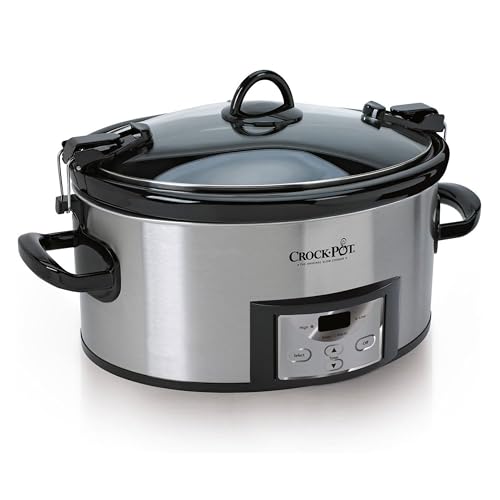
- The digital timer programs cooking from 30 minutes up to 20 hours
- Six quarts feeds seven-plus people — cook once, eat twice
- The locking gasket lid travels to potlucks without spills
How to Do It:
- Batch-cook on Sundays so weeknight-you has no excuse to order out.
7. Stack Coupons, Sales, and Points
Time purchases to sales, and stack store coupons on top — our list of the best coupon websites does the hunting.
Buy discounted gift cards for purchases you already know are coming, and watch for double-points weekends that chains like Kroger often run.
On Amazon, subscribing to recurring household staples can knock off up to 15% — and a Prime credit card adds 5% back, as long as you pay the balance in full every month.
8. Buy the Basics Generic
Dish soap, counter spray, sponges — the boring basics don't need brand names to work.
Dollar stores and generic lines often sell them for a fraction of the brand-name price.
Same suds, smaller receipt.
9. Cancel the Subscriptions You Forgot About
Audit your monthly charges and cut every subscription you don't truly use.
Downgrade the survivors: cable and sports packages often lose to cheaper streaming — or free options — without much pain.
10. Re-Shop Your Insurance
Home, auto, and health rates drift up when nobody's watching.
Get fresh quotes yearly, and ask about bundling — insurers pay for loyalty only when you make them.
11. Slow Down on Big Purchases
For anything significant, comparison-shop, ask about upcoming sales, and consider used or rented before new.
A week of patience routinely saves more than a year of coupon clipping.
12. Cut the Power Bill the Old-Fashioned Way
Depression-era savers knew this one: turn off lights and unplug idle appliances.
The dryer and dishwasher are the hungry ones — hang clothes to dry and make hand-washing dishes an after-dinner ritual, and the savings compound month after month.
How to Do It:
- Swap your most-used bulbs for LEDs; the light stays the same while the meter slows down.

- Nine watts deliver 60-watt light — about $56 saved per bulb over its life
- Rated 10,000 hours: roughly nine years at three hours a day
- Dimmable A19 bulbs with the standard E26 base fit most fixtures
13. Walk When Walking Works
Walking, biking, or transit for regular trips saves gas, parking, and wear.
Bonus: fewer miles can mean cheaper car insurance — after a couple of months, call your insurer and ask for a lower rate based on your new mileage.
14. Trade Expensive Hobbies for Active Ones
Swap money-eating pastimes for moving ones: jogging, cycling, walks with friends.
Gym memberships alone can run from about $120 a year at budget chains to many hundreds at full-service clubs — running needs only decent shoes, and a used bike doubles as transportation.
Some employer wellness programs even discount health premiums for verified healthy habits, and fewer preventable health problems is its own savings plan.
Wrapping Up
Frugal living is pruning a tree, not chopping it down: trim the dead branches and everything you actually love gets more sunlight.
Money is a tool, not a scoreboard — skip the status buys, and automate even $5 a week (that's $260 a year) toward your monthly savings target or the first of Dave Ramsey's baby steps.
These are ideas to learn from, not personal instructions or individualized financial advice.
10 Money Mistakes That Quietly Drain Your Future

Save It or Invest It? Your Timeline Has the Answer